
Once again, I have thinking about craft and art, prompted by a discussion with a friend who, amongst other things, is a trained and talented artist. Nowadays, there is a tendency to put anyone who works with their hands into the category of artist; I think it is meant as a complement, as a recognition of uncommon skills which most people in our society are not involved with.
But whilst being an acknowledgment of value, at the same time, and without it being recognised as such, it also puts the hand worker into the pigeonhole of something ‘other,’ outside the normal world of work, of commerce, of economic productivity. As a craftsman, I know that to be true; I know that the usual economic drivers are a constant challenge to the essence of craft and craftsmanship, as they are to an artist, but lumping craftsmen and artists together also indicates that the concept of craft is not really understood any more.
Give me a piece of wood
I have never seen myself as an artist; give me a pencil and I can sketch the construction of a bench or a chest of drawers and I can tell whether the proportions of a horse or a violin are all wrong, , but my skills of drawing, even more of painting a picture, would not get me a GCSE, never mind into art school. Give me a piece of wood, however, a knife or a file, then I can make shapes, and I can analyse form because my thinking is in 3D, my expression is in shaping wood. You may think there is artistry in that, and I am in absolute agreement, but for me, that does not make me an artist; it ‘merely’ puts me, firmly so, in the realm of a craftsman. Because craftsmanship is not just about joining two pieces of wood together or making a pot that holds water, it is also about visualisation, imagination and the moulding of shape; shape matters, proportion matters, design matters just as much as understanding materials, the use of tools and the precision of movement.
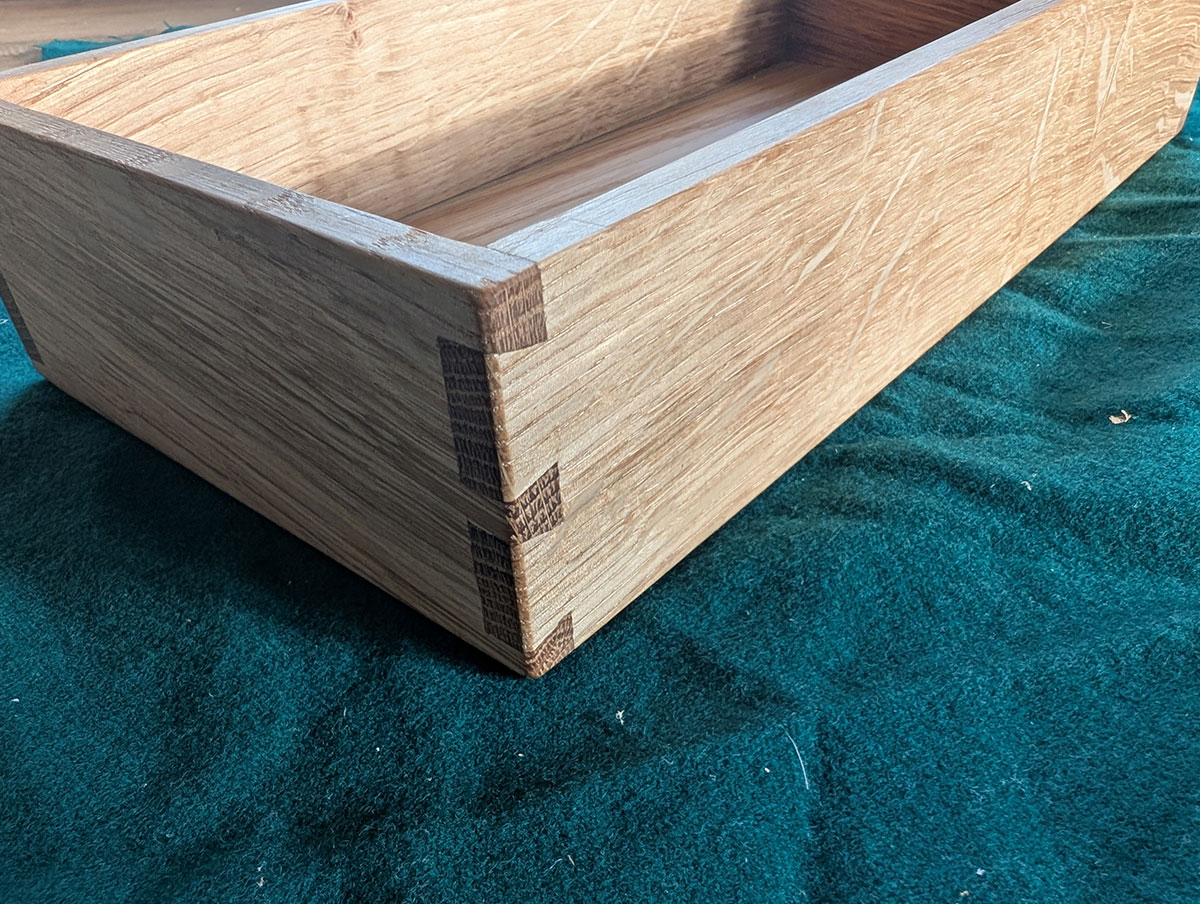
So although I used the word ‘merely’ to indicate that originality and creativity are a natural part of craftsmanship, for me there is nothing ‘mere’ about craftsmanship. Having struggled at first, like we all do, having spent thousands of hours at the bench, having made many instruments and other things out of wood and metal, I know what real craft involves. At its best, I don’t think it is any less than art, it is just different, it has a different role. (In fact, I wish there was more craft in what is nowadays called art.)
An Artist’s Life
If you look back at artists’ lives in the seventeenth century, for example, they prepared their own boards and canvasses, they ground their own pigments and knew which ones not to mix together, because the chemical reaction between some pigments caused them to change colour. These activities, not just the way they manipulated their brushes and applied paint, were their craft. With varnishing an instrument we have a very similar process, using similar materials, one of the many facets of an instrument maker’s craft.
What’s the Difference?
Another fundamental difference between art and craft is that when I make an instrument, I am making something functional, whereas a work of art is essentially there as an object in its own right, an ornament if you like. A work of craft is primarily about its usefulness, as my school woodwork teacher would put it, its ‘fitness for purpose.’ Functionality is the fundamental prerequisite of a good object, so, as happened again last month, when someone complements me on the shape of a viola neck, I am quietly delighted, nearly as delighted as when they like the sound of an instrument.
What makes an excellent crafted object is how it functions in every respect (and with stringed instruments there are plenty of aspects to think about) then in addition to that, something showing a mastery of materials, an understanding of form and shape, attention to technical detail, and then the ‘paint job’ on top.
When I think of the instruments made in the grand epoch of instrument making in the seventeenth and eighteenth centuries, the mastery of materials and the tools is a given, the precision of work however, often not-so-much. For us nowadays, this can seem like a paradox, yet most of those instruments pass the functionality test with flying colours, and even when somewhat lacking in precision, also show a mastery of shape, of visualisation apparent in the character of the finished instrument.
Contemporary Contradictions
This apparent contradiction is difficult for us to accept today, fixated as we are on machine-like precision and often not being tuned in to refinement of shape and the jaw-dropping effect of something made with style, panache or flamboyance. Trying to replicate it is equally difficult as our twenty-first mindsets rebel against what we see; some try to slowly and meticulously copy every imperfection of a fine or not-so-precise old instrument, still engaged in a modern mindset, but for me, potentially risking the work by working with freedom and intention, inevitably producing something which is mine, is the way to go.
So, call me an artist if you like, I won’t be offended (I might even be slightly flattered), call me a craftsman and I will be content, ask me about craftsmanship and you might even get more words than I have written here!